
X
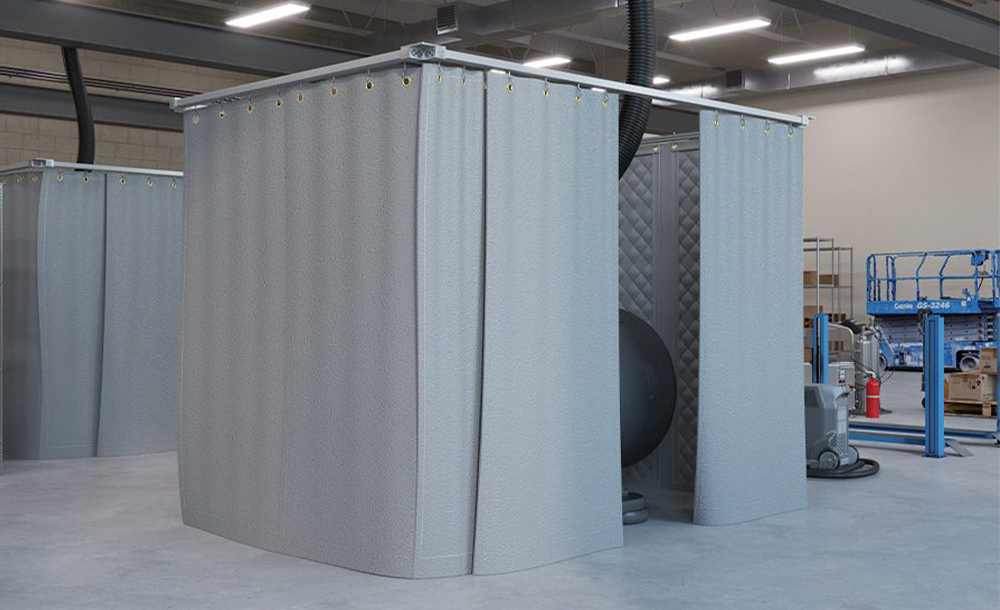
Noisy production facilities can be prone to accidents and mistakes. Proper acoustic treatment can minimize injury and downtime.
Controlling factory noise is essential for many reasons. The Occupational Safety and Health Administration (OSHA) was established in 1971 by the U.S. Congress to help eliminate job safety and health hazards such as noise, and has established regulations that define acceptable noise level exposure in the workplace, requiring employers to maintain an adequate hearing conservation program.
In addition, Federal and local municipalities have regulations in place that put limits on the amount of noise leaving a factory.
Worker exposure to noise should be of great concern to factory owners for the following reasons:
Factory spaces are typically large shells with hard surfaces which essentially turns them into echo chambers amplifying noise levels even higher. One of the most cost effective ways of lowering overall sound levels is the addition of absorption materials to the walls and ceilings. By preventing the sound waves from reflecting off of the hard surfaces in the building, an overall reduction of 3 to 5 dBA can be achieved.

We use best-in-class techniques to examine acoustic problems before recommending a solution

Using data collected from our analysis, we create custom solutions to solve your unique acoustic challenges

Using rugged commercial grade materials, our intelligent acoustic solutions look great, sound amazing, and stand the test of time
Noise mitigation studies in factories can be complicated, involving measuring worker exposure over time with dosimeters, and logging sound levels and the time spent performing each task. In addition, sound level readings taken at each piece of machinery throughout the building must be analyzed to determine the amount of reduction in worker exposure that would be achieved by mitigating the noise generated by that equipment, as well as determining its overall contribution to the direct as well as reverberant field. For this reason it is often more practical to treat factory wide noise reduction with a gradual approach.
As experts in acoustic design, we can help develop an effective, comfortable, and aesthetically pleasing acoustic solution that helps your organization improve the quality and productivity of time spent in your facility.
Our project managers will work with you to assess your noise control needs. With a keen focus on delivering a turn-key solution, we can help design an acoustic package to solve any noise issue.
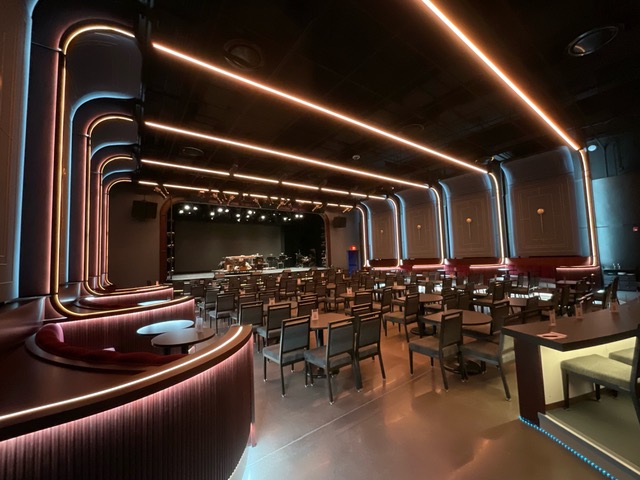
After a 13-month hiatus, the Greer Cabaret Theater made its return in September 2023 following a $6 million renovation, which included significant improvements to the acoustic environment. The renovation project was a joint effort between DLR Group from Ohio and mossArchitects based in Pittsburgh. DLR Group, leveraging their in-house acoustic specialist, spearheaded the design of […]

As the holiday season is in full swing, businesses set out on a mission to craft unforgettable experiences for customers. With all the festive decorations and sparkling displays, the often-overlooked yet influential element of sound, more specifically the acoustic engineering of the space, has the potential to transform these experiences into cherished memories. Whether in […]

Today, in the tough world of business competition, your brand goes beyond just a logo. When people step into your physical spaces, whether it is a store, office, or restaurant, they enter a carefully curated world that tells your brand’s story. This story goes beyond mere looks – it is about creating a connection that […]

