
X
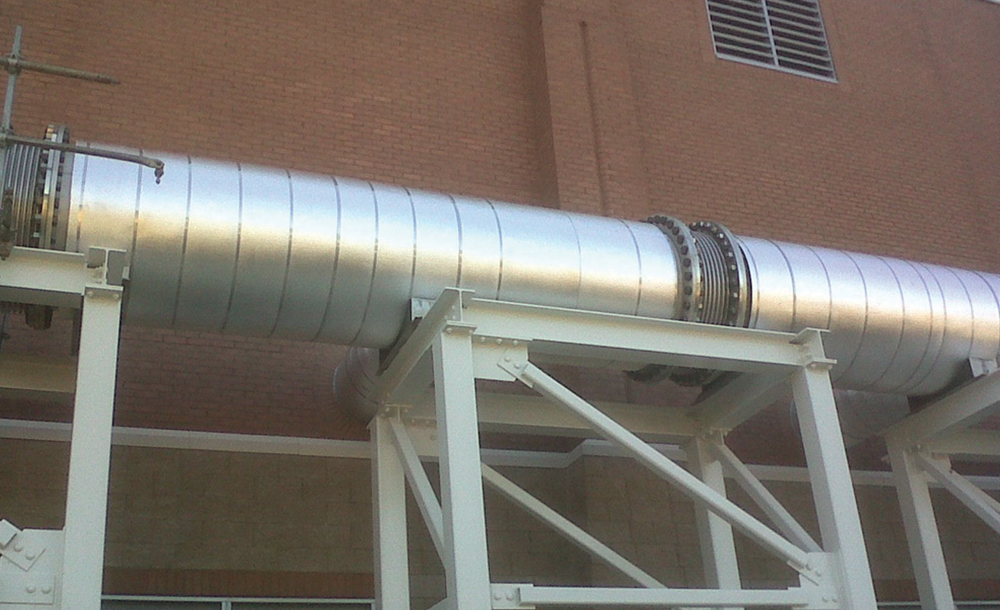
HVAC system noise can be distracting and interfere with daily activities. Proper acoustic treatment can help control both system noise and crosstalk.
Continuous or intermittent noise from an HVAC system can be distracting as well as disruptive. While mechanical engineers focus on a system delivering proper airflow, acoustic performance is often ignored.
When determining if an HVAC system requires additional attenuation, two noise paths must be considered; noise that travels through both the supply and return duct system paths, and “breakout” noise that travels through the walls of the ductwork into neighboring spaces.
Airborne noise in an HVAC system is attenuated with the addition of duct silencers, and breakout noise is attenuated with the addition of a dense duct lagging material wrapped around the outside of the ductwork to increase the STC of the duct walls.
Key Considerations for controlling HVAC noise include:

We use best-in-class techniques to examine acoustic problems before recommending a solution

Using data collected from our analysis, we create custom solutions to solve your unique acoustic challenges

Using rugged commercial grade materials, our intelligent acoustic solutions look great, sound amazing, and stand the test of time
Controlling HVAC noise can be a difficult task. It is critical that airflow design is balanced with acoustic performance. With over 30 years of experience with HVAC and duct design, we know how to strike that balance.
As experts in acoustic design, we can help develop an effective, comfortable, and aesthetically pleasing acoustic solution that helps your organization improve the quality and productivity of time spent in your facility.
Our project managers will work with you to assess your noise control needs. With a keen focus on delivering a turn-key solution, we can help design an acoustic package to solve any noise issue.
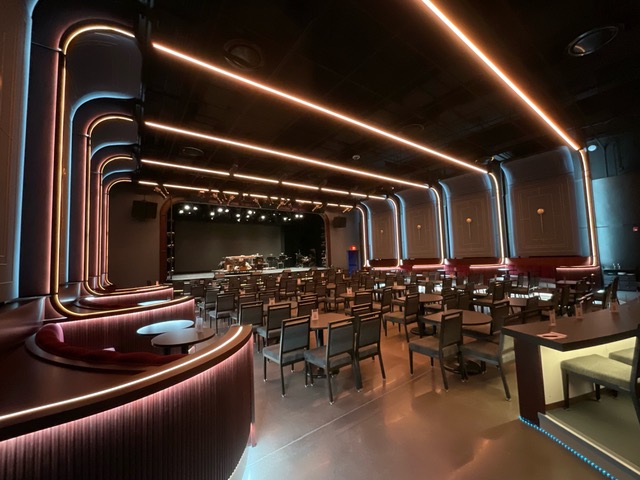
After a 13-month hiatus, the Greer Cabaret Theater made its return in September 2023 following a $6 million renovation, which included significant improvements to the acoustic environment. The renovation project was a joint effort between DLR Group from Ohio and mossArchitects based in Pittsburgh. DLR Group, leveraging their in-house acoustic specialist, spearheaded the design of […]
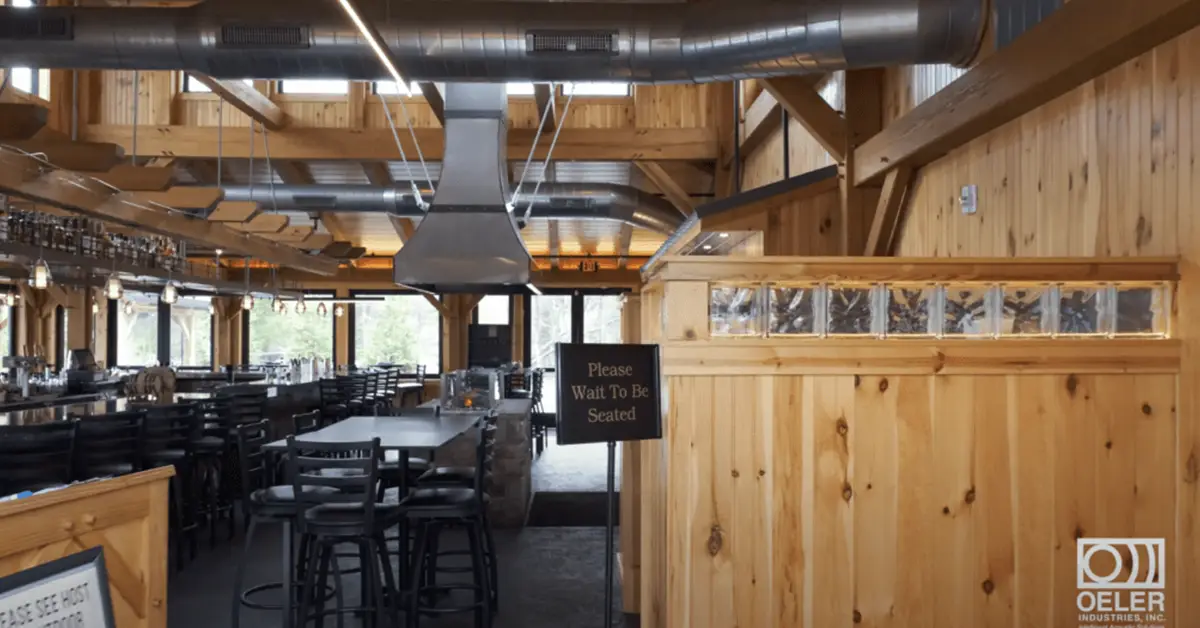
As the holiday season is in full swing, businesses set out on a mission to craft unforgettable experiences for customers. With all the festive decorations and sparkling displays, the often-overlooked yet influential element of sound, more specifically the acoustic engineering of the space, has the potential to transform these experiences into cherished memories. Whether in […]

Today, in the tough world of business competition, your brand goes beyond just a logo. When people step into your physical spaces, whether it is a store, office, or restaurant, they enter a carefully curated world that tells your brand’s story. This story goes beyond mere looks – it is about creating a connection that […]

